
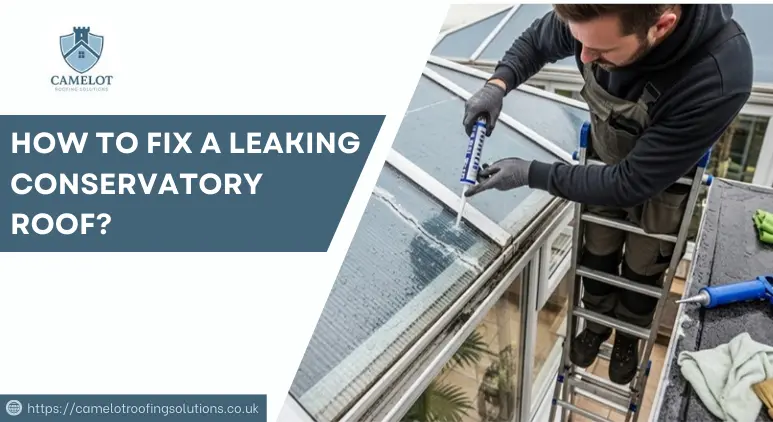
A leaking conservatory roof is one of the most common problems homeowners face, especially in areas that experience frequent rain, wind, and temperature changes. Even a small leak can cause damp walls, mould growth, heat loss, and long-term structural damage if left untreated.
Understanding how to fix a leaking conservatory roof early can save you money, protect your home, and extend the lifespan of your conservatory.
This complete guide explains the causes, repair methods, costs, and prevention tips, helping you decide whether a DIY replacement conservatory roof panel approach is enough or if professional help is required.
Signs Your Conservatory Roof Is Leaking
Before starting repairs, it’s important to confirm whether your conservatory roof is actually leaking or if the issue is condensation.
Common signs of a leaking conservatory roof include:
- Water dripping during or after rainfall
- Damp patches on ceilings or walls
- Water pooling on window sills
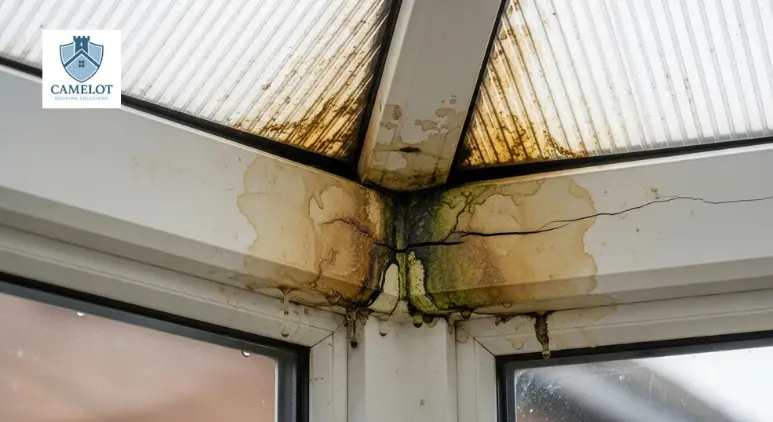
- Mould or mildew growth
- Peeling paint or bubbling plaster
- Cold drafts or sudden heat loss
If these issues appear only after rain, it is likely a roof leak rather than condensation.
Common Causes of a Leaking Conservatory Roof
Understanding the cause of the leak makes conservatory leak repair faster and more effective.
Damaged or Slipped Roof Panels
Polycarbonate and glass roof panels are exposed to constant weather changes, causing them to expand, contract, and weaken over time. Strong winds can shift panels out of position, while age and impact can lead to cracks. Even small gaps allow rainwater to enter, making a leaking plastic roof or a leaking conservatory roof in the centre a common issue.
Failed Roof Seals and Gaskets
Conservatory roof seals and gaskets create a watertight barrier between panels and the frame. Over time, UV exposure and temperature changes cause these components to dry out, shrink, and crack. Once seals lose flexibility, water can seep in, making resealing conservatory roofs necessary in many cases.
Blocked or Faulty Guttering
Gutters are designed to direct rainwater away from the roof, but when blocked with leaves or debris, water overflows and is forced back under panels and seals. Damaged or poorly aligned gutters can cause the same issue, increasing the need for conservatory roof repair.
Poor Installation or Design
Older or poorly installed conservatories often have incorrect roof pitch, weak drainage, or low-quality materials. These design issues prevent water from draining properly and increase the risk of conservatory leak repair, even after minor fixes.
Worn Ridge Caps and End Caps
Ridge caps and end caps protect the joints where roof panels meet. Over time, they can loosen, crack, or wear out due to exposure to the weather. When this happens, water can easily penetrate the joints, requiring conservatory roof panel repair or fix conservatory roof actions.
How to Fix a Leaking Conservatory Roof
The right repair depends on the severity and cause of the leak.
Temporary Fixes for Conservatory Roof Leaks
Temporary solutions are useful during bad weather but should not replace permanent repairs.
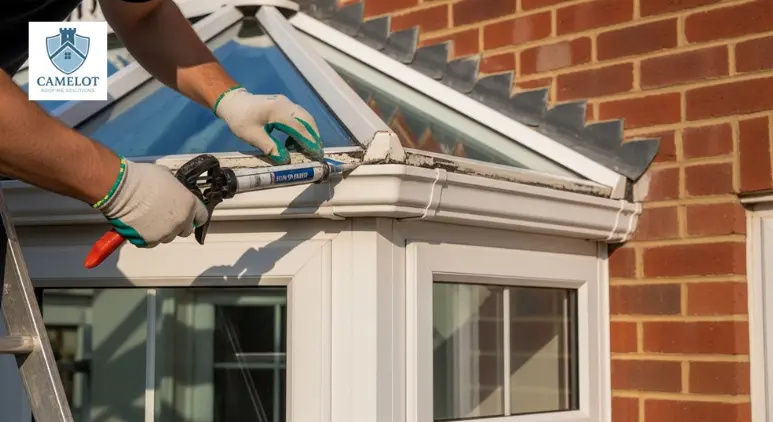
- Applying conservatory roof sealant to small gaps
- Clearing blocked gutters and downpipes
- Using temporary waterproof tape on visible cracks
These fixes may stop leaks briefly, but usually fail over time.
Permanent Fixes for a Leaking Conservatory Roof
Addressing a leaking conservatory roof permanently requires identifying the exact cause and choosing the right repair method. Here are the most effective long-term solutions:
Replacing Roof Seals and Gaskets
Conservatory roof sealing strips and gaskets form the waterproof barrier between the roof panels and the frame. Over time, these rubber components can become brittle, shrink, or crack due to UV exposure.
Replacing worn or damaged conservatory roof seals is often the most cost-effective permanent solution. New seals not only stop leaks but also improve insulation, reduce drafts, and help maintain a comfortable temperature inside the conservatory.
Re-seating or Replacing Roof Panels
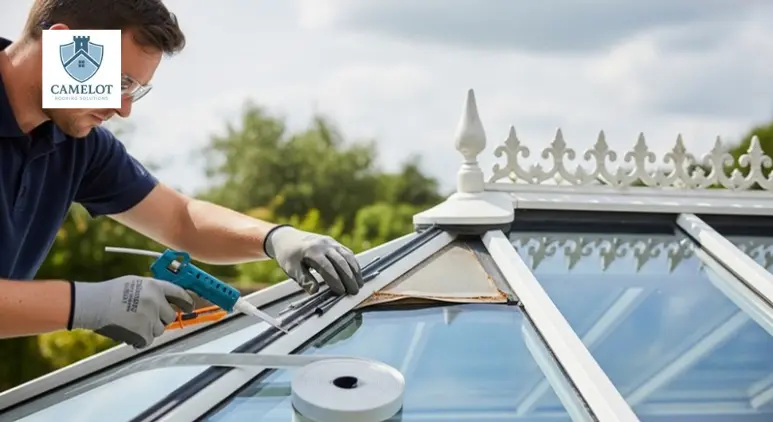
Roof panels can slip, crack, or warp over time due to wind, heavy rain, or natural expansion and contraction. When this happens, rainwater can seep into the conservatory, creating damp patches or mould.
Re-seating panels means adjusting them back into their correct position, ensuring they are tightly fitted and sealed. If panels are cracked or severely damaged, replacement is the safer option. Modern polycarbonate panels offer superior impact resistance and insulation, while glass panels provide durability and a sleek aesthetic. Choosing the right material reduces future maintenance and ensures effective fixing conservatory roof solutions.
Repairing or Replacing Flashing
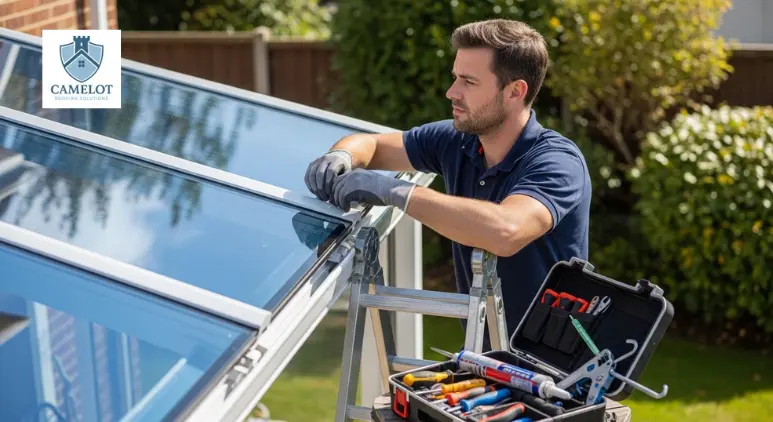
Flashing is the protective strip that seals the joint where the conservatory roof meets the main house wall. If flashing becomes loose, cracked, or worn, water can seep into this vulnerable junction during heavy rainfall, causing leaks along the roof and walls.
Repairing or replacing damaged flashing ensures a watertight seal and prevents structural damage. Properly installed flashing directs water away from the conservatory, keeping it dry and secure for years to come.
Upgrading to a Solid or Tiled Conservatory Roof
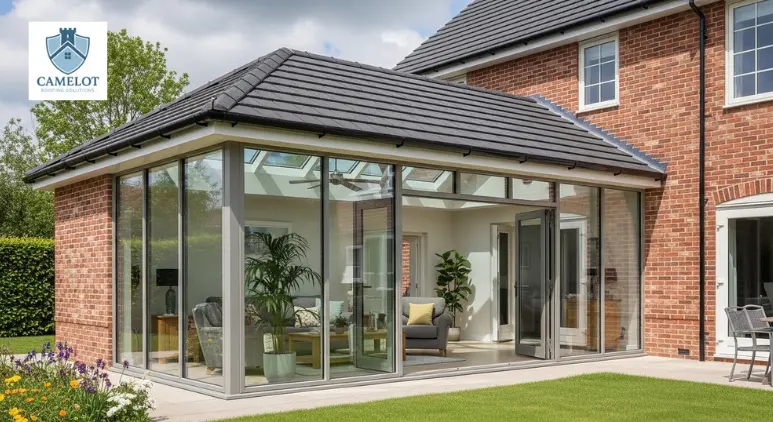
If leaks keep returning despite repeated repairs, upgrading to a solid or tiled roof may be the best long-term solution. Solid or tiled roofs eliminate many common leak points associated with a leaking conservatory roof, offering better insulation and durability.
A tiled or solid roof also enhances the appearance of the conservatory, reduces rain noise, and allows year-round use. While this option requires a higher investment, it often saves money long-term by reducing maintenance and improving energy efficiency.
By following the steps above, you can safely fix conservatory roof issues and maintain a dry, comfortable space. Always check the weather before attempting any repairs, and prioritise safety. If you’re unsure or facing persistent leaks, it’s best to contact experienced local roofers in London who provide professional roofing services, saving your time, hassle, and costly damage.
DIY vs Professional Conservatory Roof Repair
Some minor repairs can be done yourself, but others require expert skills.
| Repair Type | DIY Suitable | Professional Recommended |
| Cleaning gutters | Yes | Optional |
| Applying sealant | Yes | Optional |
| Seal replacement | Limited | Yes |
| Panel replacement | Risky | Yes |
| Structural repairs | No | Yes |
Don’t wait until a small leak turns into a costly problem. Inspect your conservatory roof regularly, maintain seals and gutters, and if you spot major damage, call trusted professional roofers in Hackney immediately. Acting early protects your home, improves energy efficiency, and keeps your conservatory dry, comfortable, and valuable for years to come.
How to Prevent Future Conservatory Roof Leaks
Prevention is always better than repair.
- Inspect the roof annually
- Clean gutters and drainage regularly
- Replace seals every 10–15 years
- Avoid walking or pressure washing the roof
- Use UV-resistant materials during repairs
Regular maintenance significantly extends the lifespan of your conservatory roof and reduces the need for future conservatory roof repair.
When Should You Replace Instead of Repair?
Repair may no longer be cost-effective if:
- Leaks occur repeatedly
- The conservatory is over 20 years old
- Heating bills are rising
- Structural sagging is visible
- Multiple components are failing
In these cases, a roof replacement offers better long-term value.
Conclusion
A leaking conservatory roof can quickly cause water damage, mould, and heat loss if left untreated. Acting early with proper repairs, like replacing worn seals, fixing panels, or upgrading the roof, protects your home and extends the life of your conservatory.
Regular inspections, gutter cleaning, and the use of high-quality materials and roof sealant can prevent future problems. For persistent or complex leaks, contact professional roofers to make sure a safe, long-lasting solution.
FAQs
What is the best sealant for a leaking conservatory roof?
The best sealants are UV-resistant, flexible, and waterproof. Popular options include silicone-based sealants, polyurethane sealants, or specialised roofing sealants designed for conservatories. They form a durable barrier that prevents water from seeping through gaps and cracks.
Can I fix a leaking conservatory roof by myself?
Yes, Minor leaks, like clearing gutters or applying sealant to small cracks, can be DIY. However, major repairs, like replacing panels, seals, flashing, or structural work, are safer and more effective when done by professional roofers to avoid damage and ensure a long-lasting fix.
What is the best solution for a conservatory roof?
The best solution depends on the condition of your roof. For minor leaks, replacing worn seals or resealing panels works well. For persistent leaks or old roofs, upgrading to a solid or tiled conservatory roof provides long-term durability, better insulation, and year-round comfort.
